2009/11/01

TV premiere: 9-Box game

9box

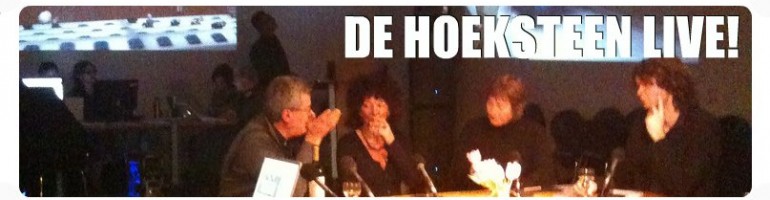
The new brain-training game 9-Box had its television premiere in de Hoeksteen Live! last night with a real time competition.

Try it yourself: play at 9-box.net

Watch the introduction in english and the interview in dutch via SALTO’s VIDEO-ON-REQUEST

http://www.salto.nl/streamplayer/amsterdam_1_ondemand.asp?y=09&m=11&d=01&t=0200

9-Box PART 1:  00:55 -> 08;36 min.

9-Box PART 2: 40:30 -> 59:45 min.

2009/10/30

De Hoeksteen Live! 2009.10.31/2009.11.01

Every last saturday of the month: No-Definition TeleVision

October 31sth: 23:00 – 03:00 CET

[ = 10 pm - 2 am UTC (or GMT/Zulu) = SL 1 pm - 6 pm PDT]

Interactive cross-media talkshow with the usual suspects and surprise guests from the worlds of politics, arts, business, media and more!

Real time interactive live from The Netherlands Media Art Instititute (NIMK), Amsterdam.

* SALTO 1 TV (A1 Amsterdam cable UHF 39 + UPC Digital 970),

* Live stream webcasting online,

* Public virtual video screen at De Dam square, Amsterdam Sim in  Second Life.

http://www.salto.nl/tv/televisie_A1.asp?uitzDag=2009-9-26

Video-On-Request available immediately after every broadcast hour, for 1 month only!

2009/10/08

Bart Fokkens D66 Amsterdam

Bart Fokkens

Ik ben Bart Fokkens en bij de gemeenteraadsverkiezingen van 3 maart 2010 wil ik graag lijsttrekker worden voor D66 Amsterdam West. Daarbij heb ik de hulp nodig van de D66-leden! Ik ben een echte D66er en wil dat de mensen weer zelf kunnen bepalen hoe zij hun openbare ruimte inrichten. Amsterdammers snakken naar een nieuwe politiek waarin zij minder worden betutteld.

Als D66er vind ik dat wij als burgers creatieve invloed moeten krijgen op de schaarse ruimte in Amsterdam. Ook moeten de potenties van Amsterdam als centrum van cultuur, financiën en diensten onderling beter worden benut. Om met duurzame oplossingen te komen, moet D66 innovatieve netwerken ondersteunen of zelf oprichten.

Voor Amsterdam West betekent dit dat D66 het goede van de huidige opdeling van het gebied in vier kleinere stadsdelen wil behouden. De burgerloketten op de bestaande locaties zouden moeten worden gehandhaafd, zo dicht mogelijk bij de burger. Voor een robuuste aanpak van files en de parkeerproblematiek moet aanleg van parkeergarages onder het Surinameplein en bij de A2 worden overwogen.

Zo zal D66 samen met de burger op een creatieve en innovatieve wijze moeten werken aan oplossingen. Juist door de fusie tussen de stadsdelen Oud-West, De Baarsjes, Bos en Lommer en Westerpark tot Amsterdam West zullen wij daartoe beter in staat zijn. Als D66er wil ik daarom pleiten voor een transparant bestuur met heldere taken en ruime bevoegdheden. D66 moet hierin de functie van bruggenbouwer vervullen tussen de centrale stad en het stadsdeel.

http://www.bartfokkens.nl

2009/10/08

Report: Dell plans Android device with AT&T

Computer-manufacturer Dell – on a mission to make a name for itself in the mobile space – has reportedly won a deal to supply Android-powered handsets to US operator AT&T. The Wall Street Journal claims that Dell is expected to launch the phone in the US next year, its first dive into the country’s competitive mobile market. AT&T is the second-largest US mobile operator and exclusive provider of Apple’s iPhone. Dell is also believed to be talking to other US operators, including T-Mobile. Dell already sells netbooks – inexpensive mini laptops with broadband Internet connections – through mobile operators worldwide but has long been linked to a major smartphone push. Dell is already providing China Mobile with Android-based handsets.

The AT&T/Dell deal would also be a major boost for Google, developer of the Android operating system. After a slow start Android is now gaining significant market presence. T-Mobile and Sprint already support Android devices in the US, and market leader Verizon Wireless announced on Tuesday a high-profile deal with Google for the platform. Google said this week that nine Android devices have so far been announced, across 32 mobile operators in 26 countries.

2009/09/27

Amsterdam gets European HQ of Linden Lab (Second Life)

Linden Lab’s Director of Marketing and PR Manager  Catherine Smith (aka Catherine Linden) attended De Hoeksteen Live! at the NIMK last night.  Catherine told us off-camera about Linden Lab’s aims to have the official opening of their European Second Life marketing headquarters in Amsterdam in january 2010.

e4809e7b54480a7a5097beb0e51240ff_full

20090926 - SL projected on a big screen during De Hoeksteen Live! at the Netherlands Media Art Institute in Amsterdam. - Broadcasting live on the SALTO 1 television channel which is also live streamed to the digital 3D De Dam square on Amsterdam Sim in Second Life.

parool2609090001
CLICK TO ZOOM IN

English translation by Pooky AmsterdamZe Moo:

Second Life seeks office in town
Amsterdam determined an important Internet node
MICHIEL Couzy
Amsterdam – In Amsterdam,  Mark Kindon otherwise known as M Linden, director of Linden Lab,  was looking for office space in the city.
Linden Lab is the company behind Second Life, a major and very important virtual world.
The Amsterdam office is the first on the continent. “We want to be in Amsterdam to be connected directly with the European market which represents a significant and important market share of Second Life’s user base,” said Kingdon.
Second Life is a virtual 3D universe on the Internet. Participants enjoy it through their virtual characters called  avatars. They do what people do in the real world: shop, go to the pubs, work on projects that are important to them  and establish relationships.
“The Netherlands is in the top ten when it comes to numbers of users,” Kindon said.
The choice was Amsterdam because the city, according to Kingdon, “is beautiful, creative and easily accessible,” with much talent. “The Internet and design community are very strong here,” he says. Moreover, Amsterdam is home to a major Internet node.
Linden Lab, which has an international workforce of 325 people, will begin with a small office of five to ten employees. This week another milestone in Amsterdam for social networks;  the well-known Linkedin profile site opened an office in Amsterdam. The Hyves social network site also resides in Amsterdam.
Second Life two years ago was an absolute bubble and much in the news,  but lately it’s been quieter. “We get less media attention, but we are running well and making profits,” said Kingdon. “In June we had 24 percent more users over the same period last year. Our site is trading 500 million U.S. dollars each year.”
Second Life makes money on the sale of virtual land, the sale of inworld currency know as linden dollars and trade between avatars.

Second Life wants office in town

Amsterdam: important Internet node

By: MICHIEL COUZY

Amsterdam – Second Life arrives in Amsterdam. Mark Kindon, CEO of Linden-Lab,  was looking for office space in the city yesterday. Linden Lab is the company behind this virtual world.

The Amsterdam office is the first on the European continent. “We want to approach the European market from Amsterdam” said Kingdon.

Second Life is an online  universe. Participants enjoy it through their virtual characters called  avatars. They do what people do in the real world: shop, go to the pubs  and establish relationships.

“The Netherlands is in the top ten when it comes to numbers of users,” Kingdon said.

The choice was Amsterdam because the city, according to Kingdon, “is beautiful, creative and easily accessible,” with much talent. “The Internet and design community are very strong here,” he says. Moreover, Amsterdam is home to a major Internet node.

Linden Lab, which has an international workforce of 325 people, will begin with a small office of five to ten employees. This week also the  Linkedin profile site announced the opening of an office in Amsterdam. The Hyves social network site also resides in Amsterdam.

Second Life two years ago was an absolute bubble in the news,  but lately it’s been quieter. “We get less media attention, but we are running well and making profits,” said Kingdon. “In June we had 24 percent more users over the same period last year. Our site is trading 500 million U.S. dollars each year.”

Second Life makes money on the sale of virtual land and on the trade between avatars.

©2009 Het Parool

Amsterdam SIM02

CLICK TO ZOOM-IN --- Snapshot by Youri Ashton taken at the virtual De Dam Square in Second Life. During an interview with ex-mayor of Amsterdam-Center, Anne Lize van der Stoel. During De Hoeksteen Live! broadcast from The Netherlands Media Art Institute on SALTO 1 (Amsterdam regional television)

Second  Life wil kantoor in stad

Amsterdam belangrijk internetknooppunt

MICHIEL COUZY

Amsterdam – Second Life strijkt neer in Amsterdam. Directeur Mark Kindon van Linden-Lab, het bedrijf achter deze virtuele wereld, was gisteren op zoek naar kantoorruimte in de stad.

Het Amsterdamse  kantoor is het eerste op het Europese vasteland. “Wij willen vanuit Amsterdam de Europese markt benaderen,” aldus Kingdon.

Second Life is een universum op internet. Deelnemers kunnen hierin rondlopen via een virtueel personage, een zogenoemde avatar. Ze doen wat mensen ook in de echte wereld doen: shoppen, naar het café gaan en relaties aanknopen.

“Nederland staat in de top tien als het  aankomt op het aantal gebruikers,” zegt Kingdon.

De keuze is gevallen op Amsterdam omdat de stad, volgens Kingdon, ‘prachtig, creatief en goed bereikbaar’ is, met veel talent. “De internet- en ontwerpgemeenschap is hier erg sterk,”zegt hij. Bovendien herbergt Amsterdam een belangrijk internetknooppunt.

Linden Lab, waar wereldwijd 325 mensen werken, wil beginnen met een klein kantoor met vijf tot tien medewerkers. Deze week maakte ook profielensite Linkedin bekend een kantoor te openen in Amsterdam. Ook vriendensite Hyves is in Amsterdam gevestigd.

Second Life was twee jaar geleden een absolute hype, maar de laatste tijd is het stil. “We krijgen minder media-aandacht, maar we draaien goed en maken winst,” aldus Kingdon. “In juni hadden we 24 procent meer gebruikers dan een jaar eerder. Op onze site wordt jaarlijks voor 500 miljoen dollar verhandeld.”

Second Life verdient geld aan de verkoop van virtueel land en aan de  handel tussen avatars.

©2009 Het Parool

2009/09/24

De Hoeksteen Live! 2009.09.26/27

Every last saturday of the month: No-Definition TeleVision

September 26th: 23:00 – 03:00 CEST

[ = 9 pm - 1 am UTC (or GMT/Zulu) = SL 2 pm - 6 pm PDT]

Interactive cross-media talkshow with the usual suspects and surprise guests from the worlds of politics, arts, business, media and more!

Real time interactive live from The Netherlands Media Art Instititute (NIMK), Amsterdam.

* SALTO 1 TV (A1 Amsterdam cable UHF 39 + UPC Digital 970),

* Live stream webcasting online,

* Public virtual video screen at De Dam square, Amsterdam Sim in  Second Life.

http://www.salto.nl/tv/televisie_A1.asp?uitzDag=2009-9-26

Video-On-Request available immediately after every broadcast hour, for 1 month only!

2009/09/14

Friday IBC09 Keynote session…


See full size image

++++++++++

The Keynote Session on Friday comprised a well matched threesome of Saul Berman of IBM, Erik Huggers of the BBC and Rory Sutherland of the Ogilvy Group UK. These might be the best three “futurists” of the industry. Raymond Snoddy, the moderator had little work to do because each of the presenters had a lot to say about the state of the industry and the prime challenge for the foreseeable future – - – how to make money in a rapidly changing, technology driven market.

Berman presented the refined numbers and managed to deliver his scary message for which he is famous – - – don’t follow the mistakes of the music industry. His message further enhances the need for a “sixth sense” if not complete clairvoyance in discerning the next twists and turns as new technologies are adopted and then adapted by a young consumer audience. However, an interesting number is that over 50% of television watchers are over 50. Success means appealing to both the technology challenged (those whole can’t figure out how to set a VCR clock) and those who instantly invent new ways of using new products.

Saul’s slides contained convincing numbers. He warned against owning a dominant share of a dying business as he suggests the cable companies in the US are on the way to doing. The challenge of the future is fragmentation and choice. Content must be relevant and integrated. The numbers continue to show, however, that ad revenue still dominates in broadcast vs. pc and phone delivery. There is simply less revenue in digital migration. He suggested a look at the reverse blade theory where the content is free and some other value item is revenue generating.

The Gadgeteers are another place to look – - – cool kids with not as much discretionary income but time on their hands to adapt technology. Figuring out their next move and what turns them on is the key to the future. That begs the question, what if the music industry had seen it all coming and had figured out a way to ride the peer to peer monster?

Finally, he said a few words of reassurance regarding personal data and its use. People will allow the use of personal data if it’s “in context” with the delivery of content. He defined several models including the free content in exchange for eyeballs – - – ad tolerance goes up as dollars spent go down but there still needs to be a place for those who will pay more for content to avoid ads. It must be a sliding scale allowing consumer choice. Don’t try to guess the market. Advertising is dead, Marketing is in, was the message. He defined that by saying, “Pay attention to Payer Innovation, stay ahead with pricing innovation and product innovation.” and he ended with, “Money may go elsewhere… if we don’t get with it.”

+++++++++++++

Second up was Erik Huggers, who presented the plans and strategies of the BBC. One had to extrapolate from his model and ask what might work for other smaller players. There were some enlightening numbers starting with the fact that digital usage of BBC content for the Bejing Olympics, in one day, surpassed all digital usage from the Athens Olympics. Growth is good. The game changer is the Internet and it’s going to be winner takes all to those who figure it out.

Again, fragmentation is the difficulty. His number is 23 different “flavors of content” that the BBC routinely standardizes. The message is that there needs to be standards and quick. One strategy, for a large player, is to dominate the market with their own standard, so Erik brought forth the BBC iPlayer as an example, a device which may have the affect of standardizing media delivery. Giving third parties the platform will also contribute to building a standard.

Reformating and repurposing is costing a huge sum and the users are dictating at this point. From a business perspective the message is clear, delivery must be standardized to avoid unpredictable costs of ever changing delivery technologies.

Erik then moved to dicussing the on-line future of the BBC or what he termed “Connected TV”. Using the application CANVAS they are combining linear broadcasting with random internet content to create an unified experience. This has the effect of democratizing access to the living room.

There was no doubt in his message, that using the R&D of the BBC, the plan is to create a standard platform – - – the big gorilla technique, modified by sensitivity to market changes and consumer whim.

++++++++++++++++

Rory Sutherland was the closer with a rather animated talk, sans Powerpoint, and including some jibes at freemarket fundamentalism. Conventional economics does not apply in this new era. The recent crash shows this to be true.

He warned of too much reliance on spreadsheets instead of intuition about the market. As an example he said that youth focus has been a mistake. How we define our audience affects our created market and profits. Conventional models for profit no longer make sense. Conventional economics may not apply anymore.

He then spent some time talking about figuring out what people will and will not pay for. There is some counter intuitive stuff here. Example: new channels do not dilute but are additivie. Channel preferences do not trump other channels. And, people pick channels over content first. Again, he said, “The channel by which the content is provided makes a difference”.

Rory used the example of the fast food drive up window scenario. A fast food place has a line of cars for the drive up window while the store goes empty. Why don’t the people in the back of the line park their cars and go in to order? Message: people are fundamentally lazy and irrational in their choices.

He then enlightened us by explaining, that in the context of the Internet, people will not pay for volume of data but they will pay for more speed. In other words horsepower trumps size of vehicle.

Another surprise, while Internet usage has gone up, so has television viewing, leading Rory to wonder if watching TV is an “inherent need”. He got a laugh out of that from the audience. Maybe humans have evolved screen dependence?

The final parting message was that the proposition that “people don’t pay for value, they pay for scarcity” is gone. There is not a trade between TV and digital. The two are additive.

Between these three presenters the message is clear, throw away old market models, learn ways to be intuitive and embrace the change – - – or die.

Paul Fellows
TV Strategies Seattle

2009/09/09

LARCAN Your Mobile Broadcast Solution

Explore our latest innovations in MXi Series and Magnum Series of mobile transmitters.
Tour a demo of our complete ‘End to End’ Engineering Solutions for Mobile Broadcast
Visit LARCAN – Stand M213 and see our new Mobile & DVB-H Broadcast Solutions and Services.
Explore our latest innovations in MXi Series and Magnum Series of mobile transmitters.
Tour a demo of our complete ‘End to End’ Engineering Solutions for Mobile Broadcast.
*See the latest news on our Mobile Broadcast Solutions:
Discover our complete MXi Series of Award Winning Low Power Solutions
Site. intelligence. Navigation. Control. In-SiNC, On-Site. Anywhere.
Remotely access to control, monitor, and manage your broadcast sites worldwide.

We specialize in custom network planning and RF synergies for Broadcast and Mobile technologies worldwide.
http://larcan.com

See us at IBC’s Mobile Zone – LARCAN Stand # M213

2009/09/08

SES ASTRA shapes new markets Alexander Oudendijk

SES Astra Blue testcard

Alexander Oudendijk

Alexander Oudendijk Chief Commercial Officer of SES ASTRA, update you on our expansion strategy and the further developments of the company regarding the future positioning in the market. Thursday Sept 10 2009

As leading satellite services provider in Europe, SES ASTRA is significantly expanding its business and is now offering increased services in the dynamic markets of Central Eastern Europe, the Middle East and Africa. The company has added promising new customers to its orbital position at 23.5 degrees East and successfully introduced 31.5 degrees East as a new orbital position for emerging Eastern European and Middle East markets. At the same time, SES ASTRA is strengthening its position as the most important HD platform in Europe. 
Most recently, the company has entered into a partnership with the Arab satellite operator Yahsat to create a new company that offers Direct-to-Home (DTH) television capacity and services to more than two dozen countries in the Middle East, North Africa and South West Asia. 
In Africa, SES ASTRA is facing large potential for DTH services and is continuing to increase its supply with satellite capacity over the coming years. 
 http://www.ses-astra.com

2009/09/07

3View in Action during ibc09

3View - watch video clip

Watch Search Interact 3View in Action at ibc09 stand: IB333 in the IPTV Zone
3view® can receive your own tailored package of channels with a great value monthly subscription. So no paying for programs you don’t want to watch. 3view® also has a dedicated HD-ready DVBT2 tuner built in, so all your usual digital free to air broadcast are available via your normal television aerial.
http://www.3view.com/